You might be feeling stuck in a strange in‑between right now. The crash is over, the cars are towed, maybe the bruises are starting to fade, yet something still feels “off.” Your head hurts, you feel foggy or irritable, or you just do not feel like yourself. People around you might say you are lucky it was not worse, but you are the one lying awake at night wondering if your brain is actually okay, wanting to learn more about what is really going on.
That worry is not you being dramatic. Brain injuries after a crash can be quiet at first, and the process of getting a clear diagnosis can feel slow and confusing. You may be hearing new terms from doctors, juggling time off work, and trying to keep your family calm, all while asking yourself one hard question. “Did this crash change my brain, and what happens if it did?”
Here is the short version of what you need to know. After a crash, doctors diagnose brain injuries by listening closely to your symptoms, doing focused neurological exams, and using tests like CT scans, MRIs, and sometimes more detailed cognitive testing. Some injuries show up quickly on imaging. Others show up first in how you think, feel, and function. Understanding how brain injuries are evaluated after a car accident helps you ask the right questions, get the right care, and protect your legal rights if someone else caused the crash.
Why does a “mild” crash sometimes lead to serious brain injury questions?
Many people expect that if they did not black out or crack their head on something, their brain must be fine. The trouble is that the brain can be injured by rapid movement inside the skull, even without a direct blow. The Centers for Disease Control and Prevention explains that a traumatic brain injury happens when a bump, blow, jolt, or penetrating injury disrupts normal brain function, and that disruption can be temporary or long term. You can read more in the CDC’s overview of traumatic brain injury here: CDC information on traumatic brain injury.
After a crash, this can show up as a concussion, bleeding in or around the brain, swelling, or more subtle damage to the brain’s wiring. Sometimes the emergency room clears you in an hour and sends you home with a sheet of instructions. Then a few days later you notice that you keep losing your place in conversations, or bright lights make you feel sick, or you are snapping at people for no reason. Because of that lag, you might wonder if you waited too long or if anyone will believe this is related to the collision.
Emotionally, that uncertainty can be exhausting. You might feel guilty for missing work when you “look fine.” You might worry about paying for treatment if you need specialists. You might feel pressure from an insurance adjuster who seems more interested in closing your claim than understanding what is going on with your brain. All of this can make it harder to focus on the most important thing, which is your health.
How do doctors actually diagnose a brain injury after a crash?
To understand how a crash-related brain injury is diagnosed, it helps to walk through the steps most people experience. Every case is different, yet there is a common path.
First comes the story of what happened. Doctors listen carefully to how the crash occurred, whether you lost consciousness, if you felt dazed or confused, and what symptoms started right away. This “history” is not just small talk. It often gives the first clues that your brain may have been affected.
Next is the physical and neurological exam. A doctor or nurse will check your pupils, reflexes, strength, balance, and coordination. They might ask you to follow a finger with your eyes, remember a few words, or answer basic questions about time and place. They are watching not only what you say, but how quickly and smoothly you respond.
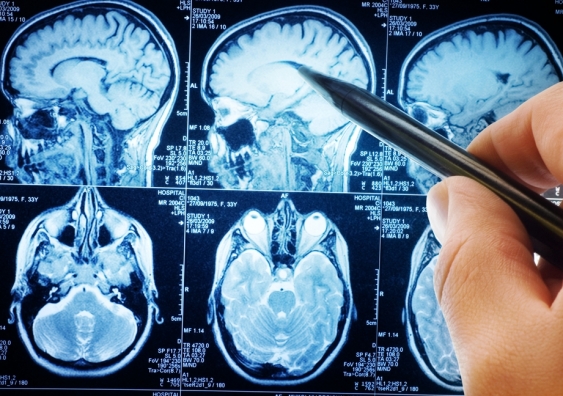
For many people, especially in the emergency room, imaging is the next step. A CT scan is often used early to look for bleeding or fractures. It is fast and good at spotting problems that need urgent treatment. An MRI is more detailed and may be ordered later if symptoms continue or if the doctor is concerned about more subtle brain changes. The National Institute of Neurological Disorders and Stroke has a helpful overview of traumatic brain injury and diagnostic approaches here: NINDS traumatic brain injury information.
Sometimes, the scans look “normal,” yet you still feel far from normal. That does not mean nothing is wrong. Many concussions and mild traumatic brain injuries do not show up on standard imaging. In those cases, diagnosis relies more on your symptoms, your history, and additional testing such as neuropsychological evaluations that measure memory, attention, processing speed, and mood.
This is where the legal side can quietly begin to matter. If your medical records clearly describe your symptoms and the doctor’s findings, it becomes easier later for a personal injury lawyer to connect your condition to the crash. If the early records are thin or vague, insurers may later claim that your problems are unrelated, or that you are exaggerating. That added stress can make an already hard recovery feel even heavier.
What are the tradeoffs between “waiting it out” and pushing for full testing?
After a crash, people often face a hard choice. Do you try to rest and hope things improve on their own, or do you push for more tests and specialist visits right away. Each path has consequences for your health and for any injury claim that follows.
| Approach | What it looks like in real life | Possible health impact | Possible legal / financial impact |
|---|---|---|---|
| “Wait and see” with no follow up | You leave the ER or skip it altogether, take over the counter pain meds, and hope symptoms fade. | Minor concussions may improve, but serious issues like slow brain bleeding or worsening symptoms can be missed. | Little documentation of your condition. The insurance company may argue there was no real injury. |
| Basic follow up with primary doctor | You see your regular doctor within a few days, describe symptoms, and follow simple rest and return‑to‑work advice. | Many concussions are managed well this way. Ongoing symptoms should trigger referrals for more testing. | Creates a medical paper trail that ties your symptoms to the crash, helpful for a personal injury claim. |
| Comprehensive evaluation with specialists | You see a neurologist or concussion clinic, get imaging, and complete cognitive and balance testing. | Higher chance of catching subtle or serious brain injuries early. Treatment can be tailored to your needs. | Stronger medical evidence if you work with a personal injury lawyer. Better support for lost wages and future care. |
There is no one “right” path for everyone. Yet if symptoms are lingering, worsening, or affecting your work, relationships, or daily tasks, waiting in silence rarely helps. Detailed evaluation is not about being dramatic. It is about getting clarity, both medically and legally, so you know what you are dealing with.
What can you do right now if you suspect a crash‑related brain injury?
When your head feels foggy and your emotions are all over the place, big decisions can feel impossible. It helps to focus on a few clear steps you can take in the next day or two.
1. Document every symptom and share it honestly with a doctor
Write down what you notice, even if it seems small. Headaches, nausea, trouble sleeping, memory slips, sensitivity to light or noise, mood swings, or feeling “slower” than usual all matter. Note when each symptom started and what makes it better or worse.
Bring this list to a medical visit. Do not minimize or brush things off because you feel guilty for making a fuss. Accurate reporting helps your doctor decide which tests you need, and it creates clear records that show how the crash affected you.
2. Ask direct questions about diagnosis and follow up
During your appointment, it is okay to ask simple but firm questions. For example. “Do you think I have a concussion or another kind of brain injury.” “Do you recommend a CT or MRI based on my symptoms.” “If my symptoms do not improve, when should I see a neurologist or concussion specialist.”
When you ask these questions, you turn a rushed visit into a real conversation. You also make it more likely that the doctor’s notes will reflect your concerns, which matters later if an insurer questions your care or your need for time off work.
3. Consider speaking with a personal injury lawyer early
If another driver caused the crash, or if you were hurt as a passenger, you do not have to sort out the medical and legal maze alone. A lawyer who understands how brain injuries are diagnosed after a car crash can review your medical records, explain how future treatment might be valued, and deal with insurance adjusters who may downplay your symptoms.
Reaching out for legal guidance does not mean you are “suing” anyone right away. It means you are gathering information while memories are fresh and records are still easy to collect. That way, if your recovery takes longer than expected, you are not starting from zero.
Finding a way forward after the shock of a possible brain injury
Life before the crash may feel very far away right now. You may miss the version of yourself who did not think twice about driving at night, working long hours, or remembering every detail. It is okay to grieve that, and it is okay to be scared.
At the same time, you are not powerless. You can insist on being heard by your doctors. You can track your own symptoms. You can learn how brain injury diagnosis after a collision really works, instead of guessing. And if someone else’s carelessness put you here, you can explore your options with a personal injury lawyer who understands both the medical and legal sides of traumatic brain injury.
You do not have to make every decision today. Start with one. Get checked if you have not. Schedule the follow up you have been putting off. Reach out for legal advice if you feel overwhelmed by insurers or bills. Every small step is a way of saying that your brain, your time, and your future matter.