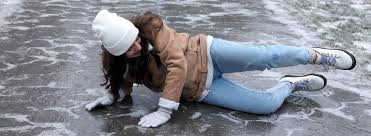
Understanding how evidence impacts your slip and fall case in Las Vegas is crucial for a positive outcome. You want to build a strong case. Evidence provides the foundation. It tells the story of what happened. It supports your claims and influences the decision-making process. In Las Vegas, where bustling activity is constant, accidents can occur easily. Evidence provides clarity. It can include photos, witness statements, and medical records. Every piece plays a role in shaping your case. They reveal the seriousness of your injury. They show negligence or unsafe conditions. The right evidence leads to fair compensation. It ensures justice. Missing evidence can weaken your position, leaving you with less support. Understanding the role of evidence helps you make informed decisions. It prevents oversight. This ensures your case is strong and your voice is heard. Being well-prepared makes a difference. It empowers you through every step of the process.
Types of Evidence in Slip and Fall Cases
Effective evidence can make or break your case. It comes in different forms, each providing vital information. Here are some key types you should focus on:
- Photographs: Take pictures of the accident scene. Capture any hazards like wet floors or broken steps. Photos help show the conditions that led to the fall.
- Witness Statements: Collect contact information of those who saw the incident. Their accounts can offer unbiased support for your claims.
- Medical Records: Document injuries with detailed medical reports. These records explain the impact of the fall on your health.
- Surveillance Footage: Check for cameras in the accident area. Footage can provide clear and objective accounts of your fall.
Why Evidence Matters
Evidence is crucial for establishing negligence. It helps prove that a party failed to maintain a safe environment. In Las Vegas, property owners have a duty to ensure safety. Evidence serves as proof of their failure to do so. It also influences the compensation you receive. Strong evidence supports claims for medical expenses and lost wages. Without it, proving your case becomes challenging.
Steps to Gather Evidence
Taking the right steps after a slip and fall is key to building a solid case. Follow these steps to ensure you gather the necessary evidence:
- Seek Medical Attention: Get immediate medical help. Your health comes first. Medical records will later serve as evidence.
- Report the Incident: Inform property owners or managers about the fall. Request a written incident report.
- Preserve Evidence: Safeguard any physical evidence such as torn clothing or broken shoes.
- Document Everything: Keep a journal of your injuries and symptoms. Note any interactions with property owners or managers.
Data on Slip and Fall Incidents
Understanding the frequency and impact of slip and fall incidents can be enlightening. The following table provides national data from the Centers for Disease Control and Prevention and Bureau of Labor Statistics:
| Year | Number of Incidents | Injuries Requiring Hospitalization |
|---|---|---|
| 2018 | 8 million | 1.6 million |
| 2019 | 8.4 million | 1.7 million |
| 2020 | 8.2 million | 1.5 million |
Conclusion
The importance of evidence in a slip and fall case cannot be underestimated. It builds the foundation of your case. By collecting the right evidence, you enhance your chances of a positive outcome. Each piece provides clarity and supports your claims. Follow the steps outlined to gather strong evidence. Doing so ensures you are well-prepared and confident in seeking justice and fair compensation. Approach the process with care and diligence. This empowers you and strengthens your case.